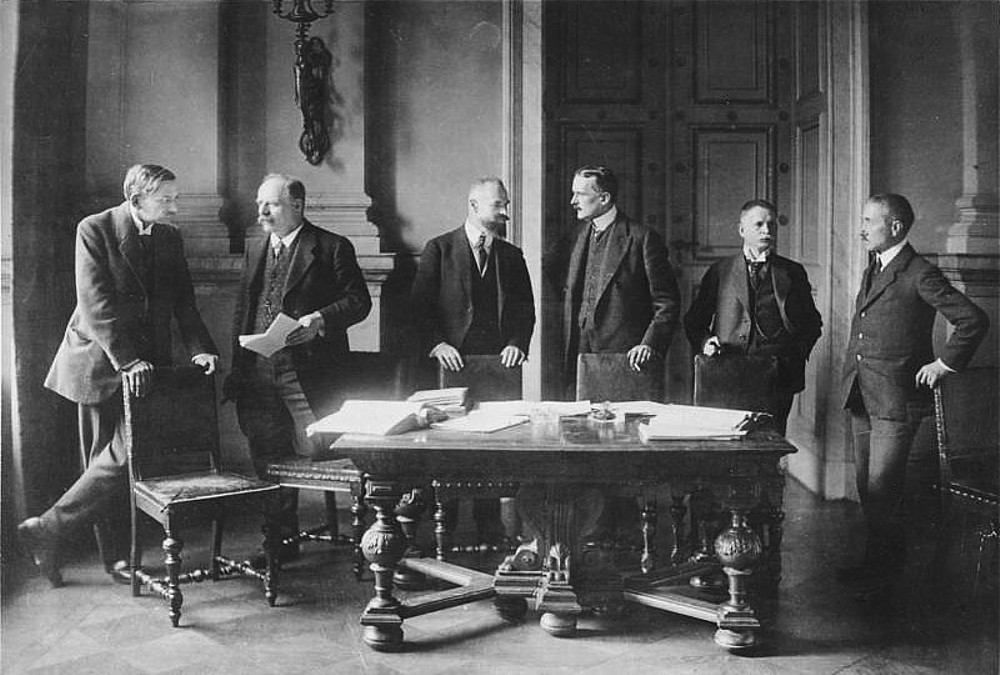
The Essence of Verhandlung Fortschritt: Understanding Negotiation Progress
Negotiation is often a complex dance, a delicate balance of interests, demands, and concessions. But how do you know if you're actually moving forward, or just circling the same issues? This is where the concept of Verhandlung Fortschritt – or negotiation progress – becomes indispensable. Understanding, tracking, and actively managing this progress is not merely an administrative task; it is the cornerstone of successful negotiation, transforming potential stalemates into valuable agreements.
In any negotiation, whether it's a multi-million-dollar corporate merger or a simple discussion about household chores, the ultimate goal is to reach a mutually acceptable agreement. But the journey to that agreement is rarely linear. This journey, marked by incremental advancements, clarifications, and shifts in positions, is what we define as Verhandlung Fortschritt. It's the measurable movement from initial diverging stances towards a convergent solution. Without a clear understanding of what constitutes progress, negotiators risk wasting time, missing opportunities, and ultimately failing to secure beneficial outcomes.
Tracking Verhandlung Fortschritt isn't just about noting down what was discussed; it's about evaluating the qualitative and quantitative shifts in the negotiation landscape. Are issues being resolved? Are new, constructive ideas emerging? Is the relationship between parties improving or deteriorating? These are critical questions that feed into a holistic assessment of your negotiation's trajectory. Understanding this forward momentum helps participants gauge effectiveness, adjust strategies, and maintain motivation, preventing the dreaded feeling of being stuck in an endless loop. For a deeper dive into what negotiation progress truly means, you might find our article Verhandlung Fortschritt Explained: What Negotiation Progress Means particularly insightful.
Key Indicators for Measuring Your Verhandlung Fortschritt
Measuring Verhandlung Fortschritt requires a keen eye for both overt and subtle signs. It’s not always about a signed contract; often, progress is indicated by smaller, yet significant, milestones. Identifying these indicators is vital for effective strategy adjustment and ensures you're truly advancing towards your goals.
- Clarification of Positions and Interests: Early in a negotiation, positions can be vague or exaggerated. Progress is made when parties move beyond initial demands to articulate their underlying interests and concerns. When each side truly understands what the other needs and why, common ground becomes clearer.
- Agreement on Minor Points or Principles: Even if the major hurdles remain, agreeing on smaller, less contentious issues can build momentum and foster a sense of accomplishment. These small wins signal a willingness to collaborate and can pave the way for bigger concessions.
- Reduced Number of Outstanding Issues: A straightforward quantitative measure. If your list of unresolved topics shrinks after each session, you are making tangible Verhandlung Fortschritt. Actively tracking this list provides clear evidence of movement.
- Exchange of Information and Data: When parties begin to share sensitive or proprietary information, it's often a sign of increasing trust and a genuine desire to find a solution. This transparency is a strong indicator of progress.
- Development of Options and Alternatives: Moving beyond a single, fixed solution to explore multiple possibilities demonstrates creative thinking and a commitment to finding a mutually beneficial outcome. Brainstorming new approaches signifies a move away from rigid demands.
- Shifts in Stance or Concessions: While not always easy to obtain, any movement from an initial position, no matter how small, signifies a willingness to compromise and adapt. It shows that the other party is listening and responding.
- Improved Rapport and Communication: Beyond the substance, the quality of interaction matters. If communication becomes more open, less adversarial, and more respectful, it's a positive qualitative indicator of progress in the relationship, which bodes well for the negotiation itself.
- Scheduling Future Meetings with Clear Agendas: A tangible sign that both parties see value in continuing the discussion and are committed to reaching a resolution. Clear agendas indicate purposeful engagement and a shared path forward.
Strategies for Accelerating Verhandlung Fortschritt
Simply tracking progress isn't enough; proactive strategies are required to accelerate Verhandlung Fortschritt and steer it towards a successful conclusion. Thoughtful preparation and dynamic execution are key to moving beyond impasse and securing optimal outcomes.
- Thorough Preparation: Before stepping into any negotiation, understand your own interests, your BATNA (Best Alternative to a Negotiated Agreement), and anticipate the other party's likely positions and interests. The more prepared you are, the more efficiently you can navigate discussions and identify pathways to agreement.
- Active Listening and Empathy: Truly listen to understand, not just to respond. Demonstrate empathy by acknowledging the other party's perspective and feelings. This builds rapport and ensures that proposed solutions address genuine concerns, thereby speeding up the process.
- Clear and Concise Communication: Avoid jargon, ambiguity, and emotional language. State your positions and interests clearly, and ask open-ended questions to elicit crucial information. Misunderstandings slow down progress significantly.
- Focus on Interests, Not Positions: Instead of getting bogged down in what each party demands (positions), delve into why they demand it (interests). Finding common ground on underlying interests often unlocks creative solutions that satisfy both sides more effectively.
- Propose Multiple Options: Don't limit yourself or the other party to a single solution. Presenting several alternatives demonstrates flexibility and can help uncover an option that meets mutual needs. This approach keeps the discussion moving forward and prevents dead ends.
- Break Down Complex Issues: Large, intimidating issues can paralyze negotiations. Deconstruct them into smaller, manageable components. Addressing these one by one creates a sense of achievement and reduces perceived complexity, making Verhandlung Fortschritt feel more attainable.
- Strategic Concessions: Make concessions thoughtfully and strategically. Link them to the other party's concessions or use them to gain valuable information. Avoid making unilateral concessions that don't advance your goals or weaken your position.
- Leverage External Expertise (if needed): Sometimes, bringing in a neutral third party or an expert on a specific technical point can help bridge gaps, introduce new perspectives, and facilitate faster progress, especially in highly technical or complex negotiations.
To further refine your approach and ensure you're consistently moving forward, exploring advanced techniques for maximizing negotiation outcomes is highly recommended. Our article, Optimizing Verhandlung Fortschritt: Boosting Your Negotiation Outcomes, offers invaluable insights into these strategies.
Overcoming Obstacles and Maintaining Momentum in Verhandlung Fortschritt
Even with the best strategies, negotiations can hit snags. Recognizing and effectively addressing these obstacles is paramount to maintaining Verhandlung Fortschritt and preventing complete breakdowns. Being prepared for challenges is as important as initiating progress.
Recognizing and Addressing Stalemates
A stalemate occurs when both parties feel unable to make further concessions, or when communication breaks down. Signs include repetitive arguments, emotional outbursts, a refusal to consider new ideas, or an inability to identify any new pathways forward. To break a deadlock and restore Verhandlung Fortschritt:
- Take a Break: Sometimes, simply stepping away from the table for a few hours or days can allow emotions to cool, reduce tension, and enable new perspectives to emerge.
- Reframe the Issue: Present the problem from a different angle. Focus on the cost of not reaching an agreement, highlight the shared risks, or emphasize the mutual benefits of resolution.
- Introduce New Information: New data, market trends, or expert opinions can sometimes shift perceptions, challenge assumptions, and open new avenues for discussion that were previously unseen.
- Change the Environment: A new location, a less formal setting, or even a different time of day can sometimes alleviate tension and encourage more open and constructive dialogue.
- Consider a Mediator: A neutral third party can help facilitate communication, clarify misunderstandings, introduce objectivity, and suggest innovative solutions that parties might not see themselves.
Sustaining Momentum
Once progress is made, it's crucial to sustain it and prevent regression. This involves diligent follow-up, clear communication, and a forward-looking mindset.
- Document Agreements: Always summarize what has been agreed upon, even minor points, in writing after each session. This prevents misunderstandings, ensures accountability, and provides a clear, verifiable record of Verhandlung Fortschritt.
- Set Clear Next Steps: Before concluding a meeting, define concrete action items, who is responsible for them, and by when they should be completed. This ensures accountability, maintains focus, and keeps the process moving.
- Manage Expectations: Be realistic about the pace of progress. Some negotiations will naturally take longer than others, especially those involving multiple stakeholders or high stakes. Celebrate small victories but maintain a long-term perspective.
- Cultivate the Relationship: Even in contentious negotiations, maintaining a professional and respectful relationship can smooth the path forward. Trust is a powerful accelerator of progress and a buffer against future difficulties.
The journey through negotiation is complex, but by diligently tracking and actively managing Verhandlung Fortschritt, negotiators can transform potential impasses into successful collaborations. From understanding the subtle indicators of movement to employing proactive strategies for acceleration and skillfully navigating obstacles, a focused approach to progress ensures that every effort moves closer to a mutually beneficial agreement. Embracing the principles of effective negotiation isn't just about reaching a deal; it's about building lasting solutions and stronger relationships. Master the art of tracking your negotiation's forward momentum, and you will unlock greater success in all your interactions.